Homeowner Resources
Practical information to help homeowners maintain their homes and recognize conditions that may need attention.
Home Maintenance & Inspection Topics
These articles explain why common conditions matter, what homeowners can safely observe, and when professional evaluation may be appropriate.
Why Proper Grading Matters Around Your Foundation

Grading is the slope of the ground around a home. Proper positive grading directs rainwater and melting snow away from the foundation, while negative grading slopes toward the home and may allow surface water to collect beside the foundation wall.
A commonly accepted residential standard is a slope of at least 6 inches over the first 10 feet away from the foundation where site conditions allow. When that distance is unavailable, properly designed swales, drains, or other drainage methods may be needed. Water collecting near the foundation may contribute to basement or crawlspace moisture, soil erosion, foundation movement, and deterioration of building materials. Persistent moisture may also create conditions conducive to mold growth, although grading alone does not establish that mold is present.
Homeowners should look for low areas, soil erosion, staining, or water collecting near the foundation during or shortly after rainfall. Soil, mulch, and landscaping materials should remain separated from moisture-sensitive exterior materials. Where the ground slopes toward the home or water repeatedly collects near the foundation, the grading and drainage should be evaluated and corrected by a qualified contractor.
Why Gutter Drainage Matters Around Your Foundation
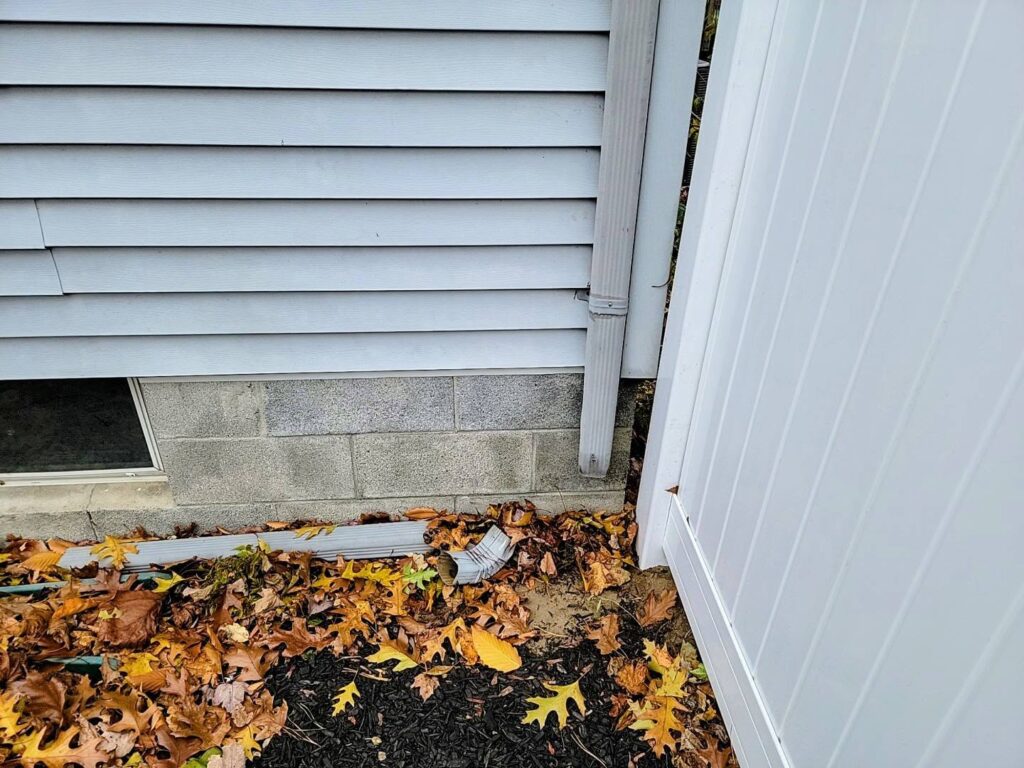
Downspouts help direct roof runoff away from the home. When they discharge too close to the foundation, water may collect near the building or saturate the adjacent soil instead of draining away.
Persistent moisture near a foundation may contribute to moisture entry in basements or crawlspaces. Changing soil conditions may also contribute to foundation movement, cracking, or other damage. Downspout extensions and proper grading can help direct water to an area where it can drain properly.
Homeowners who observe water intrusion, efflorescence, soil erosion, or other signs of persistent moisture near the foundation should have the drainage evaluated and corrected by a qualified contractor.
Why Chimney Caps and Crowns Matter
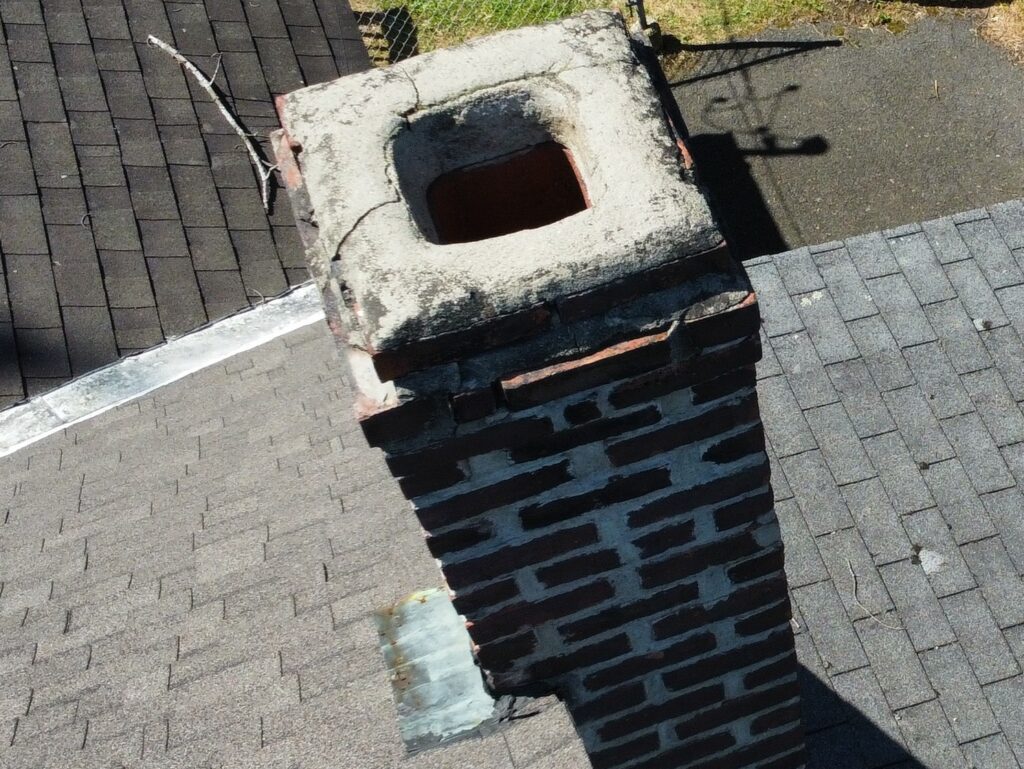
Chimney caps and crowns help protect chimneys from moisture and debris. A properly installed cap helps limit rain, snow, leaves, and animal entry through the flue, while the crown helps direct water away from the masonry below.
Missing caps, cracked crowns, and deteriorated mortar may allow moisture to enter the chimney system. Repeated wetting and freezing may contribute to cracking, loose masonry, and continued deterioration over time.
Homeowners can look from the ground for a missing or damaged cap and visible chimney deterioration but should not access the roof. Concerns should be evaluated and corrected by a qualified chimney contractor.
Why Attic Ventilation Matters During New York Winters
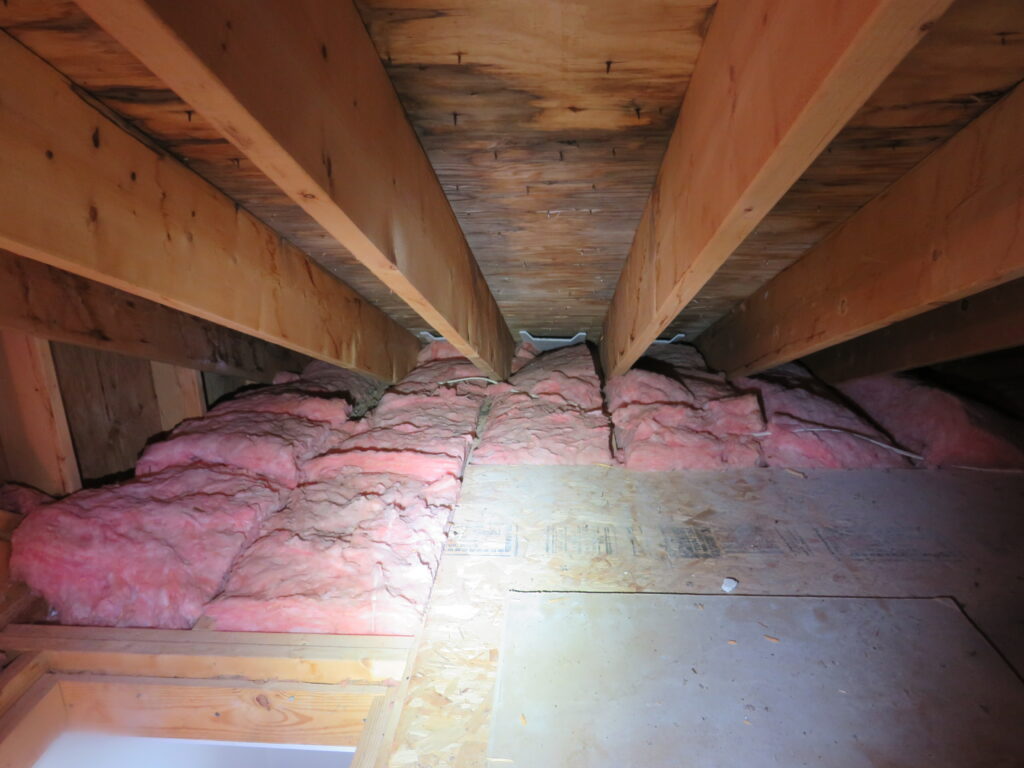
During cold weather, warm moisture-laden air from the home may enter the attic and condense on colder roof surfaces. Attic ventilation helps move excess moisture outdoors, while insulation and air sealing help limit heat and moisture transfer from the living space.
Dark staining, frost, damp insulation, or rusted roofing nails may indicate an active or previous moisture condition. Because attic moisture can originate from several sources, ventilation is only one part of moisture control. Roof leakage, air leakage from the living space, blocked intake vents, inadequate insulation, and exhaust ducts terminating in the attic should also be considered.
Homeowners should not enter attics that are difficult or unsafe to access. Visible staining or other signs of moisture should be evaluated by a qualified contractor to determine the source and recommend appropriate corrections.
How Bathroom Exhaust Fans Help Control Moisture
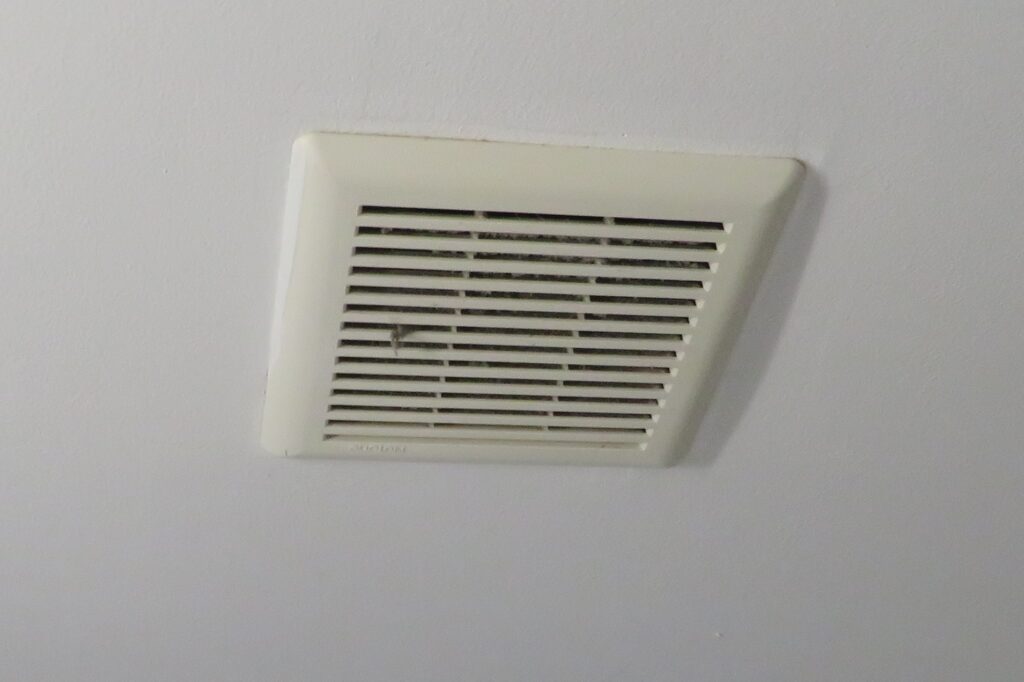
Bathroom exhaust fans help remove moisture-laden air produced by showers and baths. Using the fan during bathing and for a period afterward may help reduce condensation on walls, ceilings, and other surfaces.
Dust accumulation on the grille may restrict airflow and reduce the fan’s effectiveness. Homeowners should keep the grille clean, operate the fan regularly, and confirm that the fan discharges outdoors rather than into an attic or other enclosed space.
A fan that is excessively noisy, does not operate, or provides weak airflow should be evaluated and corrected by a qualified electrical contractor. Cleaning and maintenance should follow the manufacturer’s instructions.
Dryer Vent Safety and Airflow Concerns
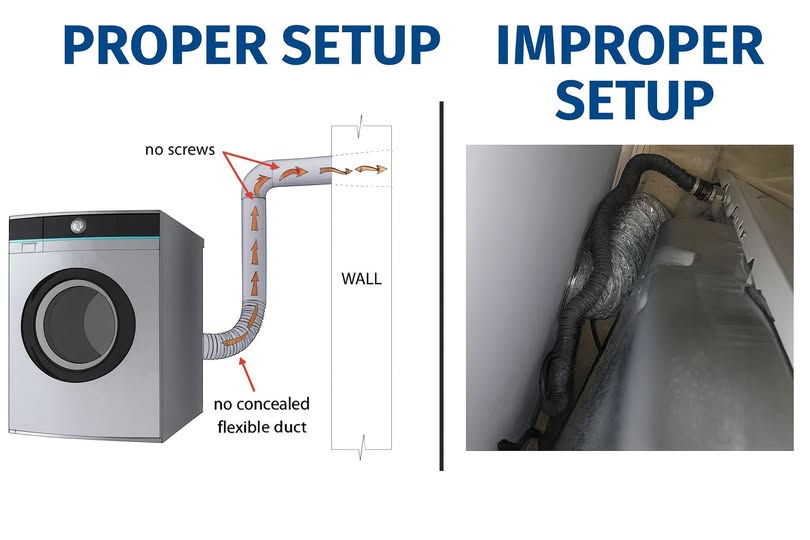
Dryer exhaust systems help direct heat, moisture, and lint from the appliance to the exterior. Restricted airflow may increase drying time, reduce appliance efficiency, and contribute to excessive heat and lint accumulation.
Crushed, kinked, damaged, or excessively long ductwork may restrict airflow. Homeowners should clean the lint screen after each load, inspect accessible ductwork, and keep the exterior termination free of lint and debris.
Damaged or improperly routed dryer venting should be evaluated and corrected by a qualified contractor. Vent materials and installation should follow the dryer manufacturer’s instructions and current accepted standards.