Radon Testing in New York’s Capital Region
Radon is a naturally occurring radioactive gas found in soil and rock. It can enter a home through cracks, joints, and other openings in floors and foundation walls and may accumulate indoors. Because radon cannot be seen, smelled, or tasted, testing is the only way to determine whether an elevated level is present. Aim High Home Inspection Services provides laboratory-analyzed radon testing for home buyers, homeowners, and other property owners throughout New York’s Capital Region and surrounding areas.
What Radon Testing Includes
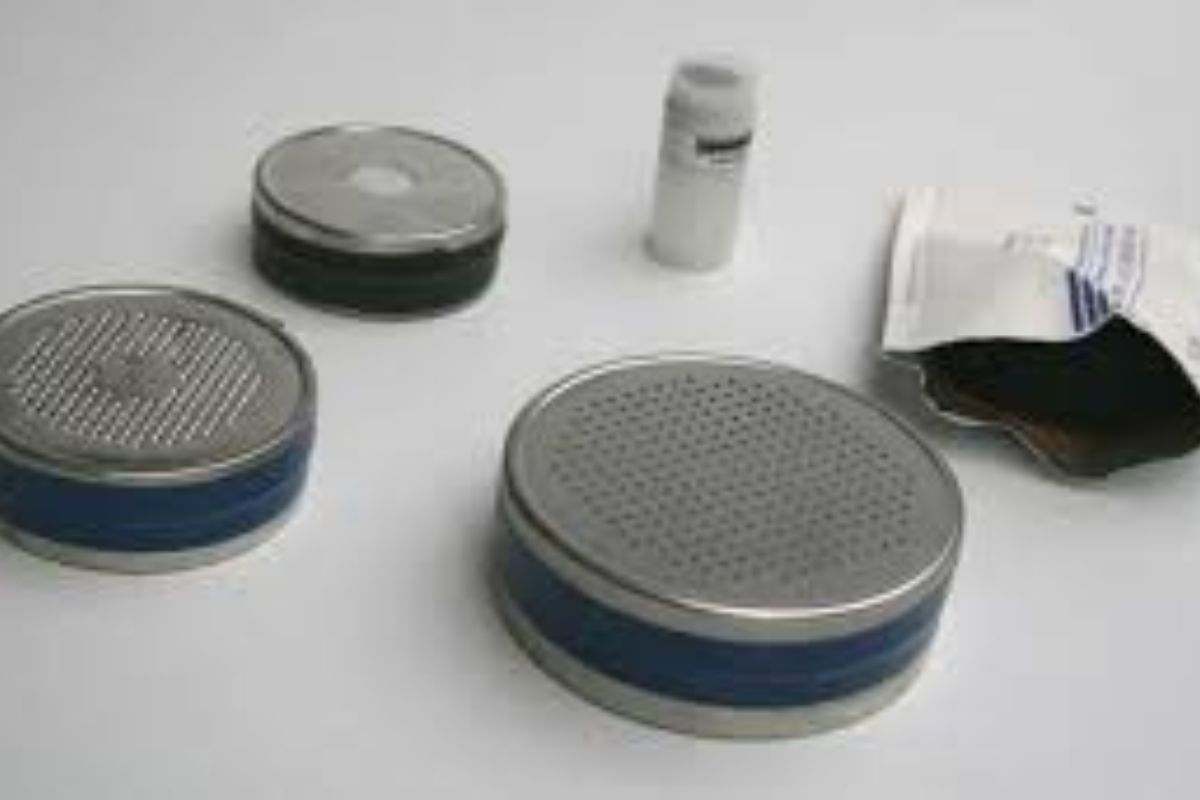
Radon testing is usually performed in the lowest level of the home using charcoal canisters. Testing requires a minimum of 48 hours and may continue for up to 144 hours under closed-house conditions. Once the test period is complete, the canisters are sealed and sent to an independent laboratory for analysis. After the results are received and reviewed, the radon report is emailed to you with a clear explanation of the findings and recommended next steps when appropriate. Radon testing is available with a home inspection or as a standalone service.
Understanding Your Radon Results
Radon concentrations are measured and reported in picocuries per liter of air (pCi/L), which indicates the amount of radon present in the indoor air. The laboratory result represents the average concentration measured during the test period rather than a year-round average. The U.S. Environmental Protection Agency and New York State Department of Health recommend taking steps to reduce radon at 4.0 pCi/L or higher, and reduction may also be considered between 2.0 and 4.0 pCi/L. Because radon levels can change with weather, season, ventilation, and other conditions, the result should be understood within the limitations of a short-term test. When an elevated level is reported, evaluation by a qualified radon mitigation contractor is recommended.
When Radon Testing Is Recommended
Radon testing is recommended when buying a home, when a home has never been tested, and at least every five years thereafter. Retesting is also recommended after major renovations or weatherization work, when a lower level begins being used as living space, and after a radon mitigation system is installed. Homes with mitigation systems should generally be retested every two years, with an initial post-mitigation test completed within 30 days of installation.
Radon Testing FAQs
Find answers to common questions about radon health concerns, when testing is recommended, testing procedures, closed-house conditions, and result interpretation.
Areas We Serve
Aim High Home Inspection Services provides laboratory-analyzed short-term radon testing throughout the Capital Region and surrounding areas.
Albany • Altamont • Amsterdam • Ballston Spa • Canajoharie • Castleton-on-Hudson • Clifton Park • Cobleskill • Colonie • Coxsackie • Fonda • Greenville • Guilderland • Hoosick Falls • Middleburgh • Rensselaer • Rotterdam • Saratoga Springs • Schaghticoke • Schenectady • Schoharie • Troy
Don’t see your town listed? Call or text (518) 330-2772 to confirm availability.
Schedule a Radon Test
Call or text (518) 330-2772 to schedule radon testing with a home inspection or as a standalone service.