Mold Assessments in New York’s Capital Region
Aim High Home Inspection Services provides mold assessments for homeowners, buyers, and other property owners throughout New York’s Capital Region and surrounding areas. As a New York State Licensed Mold Assessor, I evaluate visible and accessible conditions associated with mold and moisture and provide clear, practical information to help you understand the appropriate next steps.
What a Mold Assessment Includes
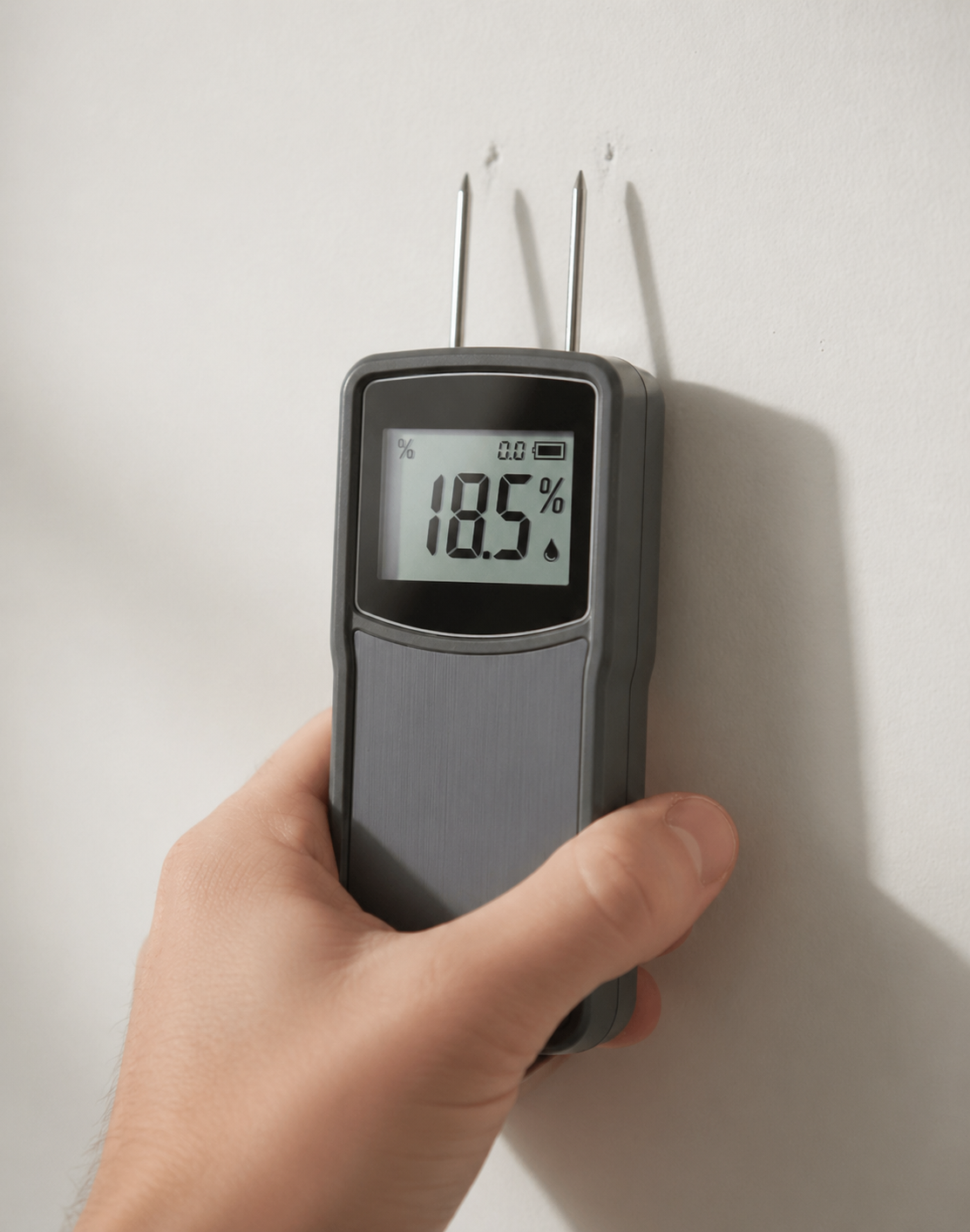
A mold assessment begins with a visual evaluation of accessible areas of the property. Depending on the conditions observed, the assessment may also include moisture detection using a moisture meter and air or surface sampling when appropriate. Not every assessment requires sampling. Findings are documented with recommendations based on observed conditions and, when sampling is performed, laboratory results.
Regulated Mold Projects Under NY Labor Law
New York Labor Law Article 32 establishes requirements for mold assessment and remediation projects. Under Labor Law § 930(6), a mold project generally means mold assessment, remediation, or abatement involving an area greater than 10 square feet, subject to statutory exclusions. When remediation will be performed on a regulated project, Labor Law § 945 requires a licensed mold assessor to prepare a written remediation plan and provide it to the client before remediation begins.
Independent Assessment, Not Remediation
New York law prohibits a licensee from performing both mold assessment and mold remediation on the same property. Aim High Home Inspection Services provides mold assessment services only and does not perform mold remediation. This separation helps protect you from a conflict of interest and supports recommendations based solely on the assessment, not on the potential for remediation work.
The Assessment and Report Process
After the on-site assessment, the findings are reviewed and organized into a written report. When samples are collected, they are sent to an independent laboratory for analysis. Laboratory turnaround times vary and will be explained before sampling. Your report will document the areas assessed, observed conditions, sampling results when applicable, and recommended next steps.
Post-Remediation Assessment and Clearance
When remediation is performed on a regulated mold project, a post-remediation assessment is conducted after the work is completed. In accordance with Labor Law § 947, the assessment determines whether the work area is free from visible mold, the work was completed in accordance with the remediation plan and remediation work plan, and the specified clearance criteria were met. When remediation is determined to be successful, a written passed clearance report is issued.
Why Choose a Licensed Mold Assessor
I am a New York State Licensed Mold Assessor and a Licensed Home Inspector. This dual licensure brings added perspective when evaluating moisture conditions, building systems, and conditions that may contribute to mold growth.
Mold Assessment FAQs
Find answers to common questions about mold assessments, sampling, laboratory results, remediation requirements, and post-remediation clearance.
Areas We Serve
Aim High Home Inspection Services provides mold assessments performed by a New York State Licensed Mold Assessor throughout the Capital Region and surrounding areas.
Albany • Altamont • Amsterdam • Ballston Spa • Canajoharie • Castleton-on-Hudson • Clifton Park • Cobleskill • Colonie • Coxsackie • Fonda • Greenville • Guilderland • Hoosick Falls • Middleburgh • Rensselaer • Rotterdam • Saratoga Springs • Schaghticoke • Schenectady • Schoharie • Troy
Don’t see your town listed? Call or text (518) 330-2772 to confirm availability.
Schedule a Mold Assessment
Call or text (518) 330-2772 to schedule a mold assessment.
Call (518) 330-2772